What are the key components of shelf bar lcd screens? What are the basic structures?
Leave a message
1. Composition
LCD electronic shelf strip screen is mainly composed of the following key parts:
Display controller: responsible for receiving and processing data from external devices (such as computers), and then converting it into signals that the display can recognize, thereby controlling the display content of the display.
Screen unit: This is the main part of the display screen, which is composed of multiple liquid crystal cells. Each cell can independently control whether light is transmitted through it, thereby realizing the display of images. For color displays, each pixel is usually composed of three liquid crystal cells: red, green, and blue. By adjusting the light transmittance of these three cells, different colors can be displayed.
Frame: used to fix and protect the screen unit, ensuring the stability and durability of the LCD electronic shelf strip screen.
Backlight system: Provides the light source behind the LCD electronic shelf bar screen so that the liquid crystal cells can display normally. The backlight system is usually composed of a light source, a light guide plate, an optical film and other structural parts, and the brightness can be adjusted as needed.
2. Basic Structure
The basic structure of LCD electronic shelf strip screen can be further refined into the following levels:
Glass substrate: The basis of LCD display, usually composed of two parallel glass substrates, with liquid crystal material filled in between. TFT (thin film transistor) is set on the lower substrate glass to control the rotation direction of liquid crystal molecules.
Liquid crystal layer: The liquid crystal material filled between two glass substrates controls the arrangement of its molecules by changing the voltage, thereby achieving the purpose of light shading and light transmission.
Color filter: Located on the upper substrate glass, it is used to display color images. There is a red, green or blue filter in front of each pixel, and various colors can be displayed on the screen through the combination of different color lights.
Polarizing plate: used to control the polarization direction of light, ensuring that only light in a specific direction can pass through the display.
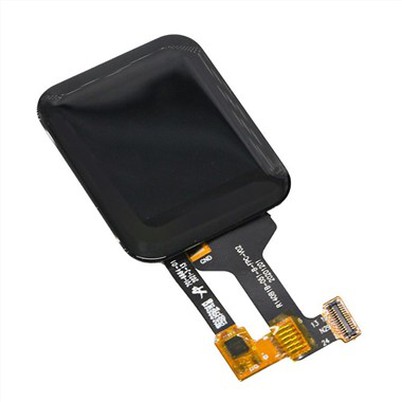
FPC flexible circuit board: a flexible circuit board with high wiring density, light weight, thin thickness and good bending properties, used to realize the conductive function of the display screen. The LCD liquid crystal display module conducts electricity through FPC to realize the display function.
3. Working Principle
The working principle of LCD electronic shelf strip screen is based on the electro-optical effect of liquid crystal. When external voltage is applied to the liquid crystal layer, the arrangement state of liquid crystal molecules will change, thereby changing the polarization state of light passing through the liquid crystal layer. By controlling the magnitude and direction of the voltage, it is possible to achieve precise control of whether the light is transmitted or not, and then display various images and text information on the screen.
In summary, the composition and basic structure of the LCD electronic shelf bar screen are relatively complex, but each part plays a vital role. Through precise control and optimized design, these parts work together to achieve high-quality, high-definition display effects.