What are the characteristics of the bar-shaped LCD screen?
Leave a message
What are the characteristics of the bar-shaped LCD screen?
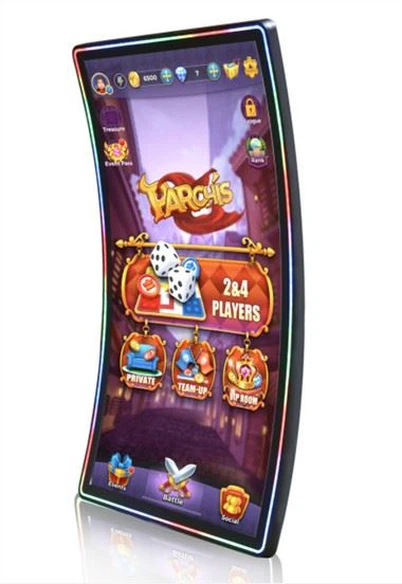
The bar-shaped LCD screen is a display device optimized for specific scenarios. Its narrow bezels and long-strip design break through the form limitations of traditional square screens and can be adapted to narrow spaces or special viewing angle requirements. In advertising displays, public transportation information dissemination, retail shelf guidance, and other scenarios, this type of screen achieves a dual improvement in information transmission efficiency and visual experience through customized sizes and display parameters.
I. Technical Principles and Core Parameters
The display principle of the bar-shaped LCD screen is the same as that of traditional LCD screens. It controls light transmission through the deflection of liquid crystal molecules under the action of an electric field, combined with a backlight module to achieve image presentation. Its core parameters directly affect the usage effect: a resolution of 3840*720 can provide fine horizontal details, suitable for displaying long texts or videos. The screen uses the Android system and is compatible with various content management software, supports HDMI interface direct connection to playback devices, simplifying the deployment process.
II. Customized Design and Scene Adaptation
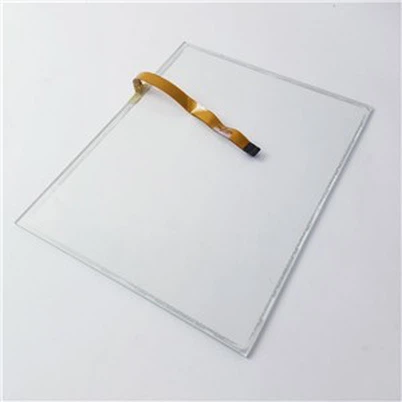
The greatest advantage of this type of screen lies in its dual customization of form and function. The size can be expanded to within 100 inches as needed, and the compact shape of the screen is suitable for embedding in narrow devices or walls; the desktop installation method does not require additional brackets, reducing space occupation. For commercial display needs, the screen supports logo settings and remote content release, allowing merchants to uniformly update the display content of multiple devices, improving operational efficiency. The optional G+F touch layer enables the screen to have interactive capabilities, suitable for self-service query terminals or interactive advertising scenarios.
III. User Experience and Durability Optimization
The screen adopts a 3000:1 contrast ratio design, with clearer dark details, suitable for displaying dark background content; the 89° viewing angle covers most viewing scenarios, reducing color distortion caused by viewing angle deviation. The input power supply supports a wide voltage range of 110V-220V, adapting to different regional power supply standards; 16G of RAM and 128G of storage space (optional) provide hardware support for complex content playback. After testing, the screen has a lifespan of over 50,000 hours, calculated based on 12 hours of daily use, and can operate continuously for approximately 11 years, reducing long-term replacement costs.
IV. Technical Highlights and Industry Applications
Compared to traditional advertising machines, the bar-shaped LCD screen has opened up new application scenarios through form innovation. In transportation hubs such as subways and buses, its long-strip design can be perfectly embedded in handrails, seat backs, etc., displaying real-time arrival information; in the retail industry, the screen can be embedded in shelf layers, directly displaying product prices and promotional information, reducing the cost of replacing paper labels; in exhibition display fields, customized sizes and high saturation colors make art installations or brand stories more impactful. Some high-end models also support split-screen display function, capable of simultaneously playing videos, images, and text, enhancing information density.