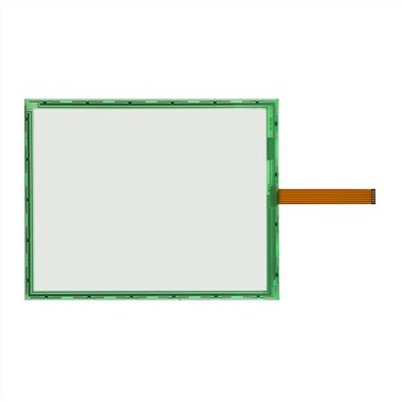
Touchscreen Industry Knowledge
Leave a message
A touch-sensitive interface is a technology that allows people to interact with electronic devices directly by touching the screen, instead of using additional tools like buttons or a mouse. This technology has become an integral part of daily life, changing how people use electronic products and bringing great convenience to work, study and entertainment.
The core principle of this interface is to sense the touch of a finger or a special stylus and convert that touch into electronic signals, which the device then interprets to perform corresponding operations. It works by detecting changes in electrical signals or light when a touch occurs, ensuring quick and accurate response to user actions. Over time, the technology has been continuously improved, becoming more sensitive and reliable, and able to recognize multiple touches at the same time, making operation more flexible.
This interface is widely used in various electronic devices. It can be found in small portable products that people carry with them every day, as well as in larger devices used at home or in offices. In places where quick operation is needed, such as public information terminals or self-service machines, this interface allows users to complete tasks easily without learning complex operation methods. It also plays an important role in educational equipment, making learning more interactive and interesting for users of all ages.
One of the biggest advantages of this technology is its simplicity and intuitiveness. It eliminates the need for extra operation tools, reducing the size of devices and making them more portable and beautiful. Users can complete operations with simple touches, which is easy to learn even for those who are not familiar with electronic products. In addition, it has good durability, able to withstand long-term use and adapt to different environments, from dry indoor spaces to humid or dusty areas.
In recent years, the technology has been developing rapidly to meet different user needs. Manufacturers are constantly improving its performance, making it more sensitive to touch, reducing response time, and improving the accuracy of touch recognition. At the same time, efforts are being made to reduce production costs, making devices equipped with this interface more affordable for more people. New forms of this interface are also being developed, which can be applied to flexible surfaces, bringing more possibilities to the design of electronic products.
As people's demand for convenient and intelligent electronic devices continues to grow, this touch-sensitive technology will continue to play a key role in the electronic industry. It will be further integrated with other technologies, creating more innovative products and changing people's lifestyles. The future of this technology is promising, with continuous improvements in performance and wider application scenarios, making it an indispensable part of the digital age.