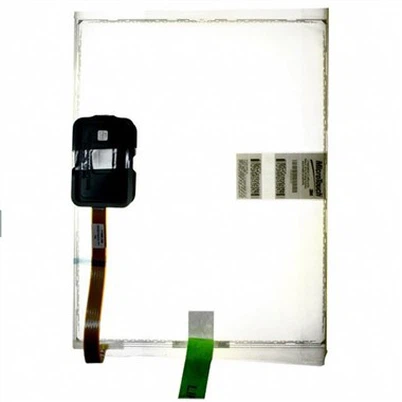
Comparison of the advantages of TFT LCD screen full lamination technology and frame lamination technology.
Leave a message
Before introducing the lamination technology of TFT LCD screen, we first need to understand the basic structure of LCD screen. Usually, LCD screens with touch function can be divided into three parts: outer glass cover, capacitive touch module, and TFT LCD screen. The process of lamination and integration between these three parts is called LCD screen lamination technology. Therefore, LCD screens with capacitive touch generally need to be laminated twice, first between the outer glass cover and the capacitive touch module, and then between the touch module and the TFT LCD screen. There are many types of lamination technology for TFT LCD screens, and the most commonly used are two types, namely TFT LCD screen full lamination technology and frame lamination technology.
What are the definitions of TFT LCD screen full lamination technology and frame lamination technology?
Full lamination technology: a technical process that uses optical glue to seamlessly laminate the glass cover, touch module, and display screen. There are generally two types of glue used for lamination. OCA optical glue is generally used for small and medium-sized LCD screens, and LOCA water glue is generally used for large-size LCD screen equipment. Full bonding technology is also called optical bonding technology, which can eliminate the gaps between the glass and improve the overall stability of the screen.
Frame bonding technology: Frame bonding technology is also called mouth glue bonding technology. It uses double-sided tape to fix the four sides of the screen to bond the glass cover, touch module and display screen. The cost of frame bonding technology is relatively lower. However, it is inferior to full bonding technology in terms of stability and touch feel.
Which one has more advantages, TFT LCD screen full bonding technology or frame bonding technology?
Compared with frame bonding technology, TFT LCD screen full bonding technology has more advantages in many aspects.
1. Improved clarity: Since optical bonding eliminates the gaps between each other, it reduces the internal reflection between the glass cover, touch module and display screen caused by ambient light, improves the overall contrast and optics of the display screen, and makes the screen image clearer and brighter.
2. Dustproof and water vapor proof: Full bonding technology has better sealing, prevents water vapor from invading the screen gap, and eliminates the possibility of screen fogging and condensation. At the same time, it also resists the entry of stains and dust, keeps the inside of the screen clean, and extends its service life.
3. Improved touch sensitivity: The full lamination process makes the touch screen more sensitive and the touch experience better.
4. Improved stability: The fully laminated screen is more solid, has stronger defense against external impact and vibration, and improves the overall stability of the screen.
Advantages of full lamination technology of TFT LCD screen
Although the frame lamination technology lags behind the full lamination technology in many aspects above, it also has its own advantages.
1. Lower cost: Full lamination technology requires machine lamination and has certain requirements for the accuracy of the equipment, while frame lamination technology is mostly manual lamination. Therefore, the cost of frame lamination in terms of consumables, process, etc. is relatively lower.
2. Easier post-maintenance: Since the frame lamination adopts the four-side lamination method of double-sided tape, the disassembly and reassembly methods are relatively simple, which is more conducive to post-maintenance.
In summary, the full lamination technology and frame lamination technology of TFT LCD screen have their own advantages. For devices with higher requirements for display quality and touch accuracy, full bonding technology is undoubtedly more advantageous. For products with stricter cost control or no touch requirements, frame bonding technology is more suitable. Of course, there are also more compromise solutions to choose from. For example, full bonding technology is used between the cover glass and the touch module, while frame bonding technology is used between the touch module and the display screen. While ensuring touch accuracy, it also controls product costs. HeadSun supports this type of bonding solution. We have optimized the frame bonding technology and used L-shaped glue ports and Z-shaped glue ports, which have a good dust and water vapor resistance effect. Welcome to consult.