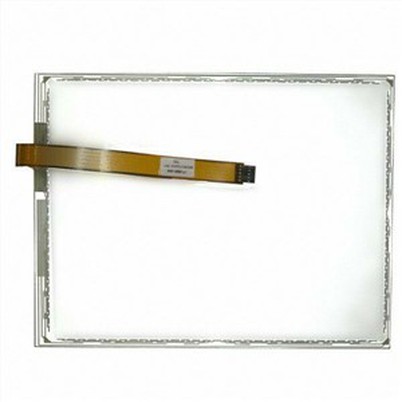
Internal Structure Of LCD Panel And Its Analysis
Leave a message
Internal structure of LCD panel and its analysis
What is the function of the backlight on an LCD?
The Backlight is the Light source of the Liquide Crystal Display Panel. This Backlight is the only light source for the images that appear on LCD TVs, Laptop displays, monitors, and mobile phone displays.
In the latest technology, the LCD Panels' light source is LED backlights placed separately at the bottom of the screen. In thin displays, LED strips are placed on the edges of light-conducting glass. Also, old-model displays used high-voltage fluorescent tubes as the light source.
We understand that the backlight is placed below the LCD panel. Now, we will learn about the internal structure of the LCD panel above the backlight.
2. Vertical Polarizer
What does a vertical polarizer do in an LCD?
What is a Polarizer? A polarizer is not an electronic component. It is made of PVA (Polyvinyl Alcohol), a polarizing film sheet, or a Polarizing Filter for LCD panels.
As the light from the Backlight passes through the LCD panel, it encounters a polarizing filter. This filter only allows light waves to pass through, oscillating in a specific direction. This helps ensure the light is polarized before interacting with the liquid crystals.
A vertical polarizer in an LCD (Liquid Crystal Display) panel controls the orientation of light passing through the display. It's one of the polarizing filters used in conjunction with others in the display structure.
In an LCD, light passes through multiple layers, including polarizers and liquid crystal molecules, to produce the images you see. The vertical polarizer allows light waves oscillating vertically to pass through while blocking those oscillating horizontally. This controlled passage of light helps manipulate the orientation of liquid crystal molecules within the display, thus preventing the amount and colour of light that ultimately reaches your eyes, creating the images and hues you see on the screen.
3. TFT (Thin Film Transistors) Substrate
What is TFT and its function in LCD?
The TFT (Thin-Film Transistor) substrate is crucial in LCD technology. It serves as the foundation or base layer for the thin-film transistors that control the individual pixels on the display. The TFT substrate is typically made of glass and is coated with thin films of semiconductor materials, such as amorphous silicon.
The primary function of the TFT substrate is to enable precise and rapid control of each pixel on the LCD screen. Each pixel consists of a liquid crystal element sandwiched between two layers of glass. The TFTs on the substrate act as switches that control the voltage applied to the liquid crystal, determining its optical state (either allowing light to pass through or blocking it).
By using thin film transistors, the TFT substrate allows for more accurate and faster manipulation of individual pixels than traditional passive matrix displays. This results in improved image quality, shorter response times, and better overall performance in modern LCD screens, making them suitable for various applications such as computer monitors, televisions, and mobile devices.
4. Liquid Crystals Substrate:
What is the function of liquid crystal in LCD?
LCD panels contain a liquid crystal substrate and other layers.
This layer consists of billions of liquid crystal cells based on the screen's resolution.
Each cell has two electrodes, the positive terminal AVDD and the negative terminal VCOM voltage supply, to activate it.
Liquid crystals are unique materials that move their molecules from vertical to horizontal when energized and de-energized.
The degree to which they move depends on the amount of AVDD, VCOM, and signal voltage.
Liquid crystals in a Liquid Crystal Display panel serve a crucial role in controlling the passage of light.
These crystals have properties that allow them to change their orientation when an electric current is applied.
The liquid crystals align in specific ways, allowing light to pass through or block it.
This manipulation of light by the liquid crystals creates the images and colour