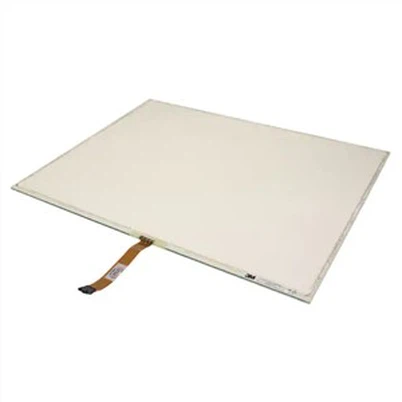
Two ways to attach LCD screens and touch screens: full lamination and frame lamination
Leave a message
Touch screen and LCD full lamination and frame lamination (also called "air lamination") are two different screen lamination processes. The core difference lies in the lamination method, gap treatment and performance between the touch screen and the display. The specific differences are as follows:
Different Lamination Methods
• Frame Lamination (Air Lamination):
Double-sided tape or adhesive tape is used only at the edges of the touchscreen and LCD frame, leaving an air gap in the middle. This can be thought of as "the touchscreen and LCD are glued together like a picture frame, only at the edges, with an air gap in the middle."
• Full bonding: The entire contact surface between the touch screen and the LCD is completely bonded using optical adhesive (OCA) or liquid optical adhesive (LOCA), leaving no air gaps between them. The two are tightly bonded as a single unit.
Core Performance Differences
1. Display
• Frame bonding: Due to the air gap between the touchscreen and LCD, light is reflected and refracted on the surface of the air layer as it passes through the touchscreen and LCD. This causes significant glare on the screen, especially in bright sunlight. This reduces display clarity, making the image appear dim or foggy.
• Fully bonded: No air gaps, significantly reducing light reflections, achieving higher screen transparency, clearer display under strong sunlight, more realistic color reproduction, and a visual experience that's closer to a "seamless" effect.
2. Dust and water resistance
• Frame sticker:
The air gap between the two sides allows dust and moisture to enter easily. Over time, this can cause dust and fogging inside the screen, affecting its appearance and display quality. It also provides no waterproofing.
• Full lamination: The touchscreen and LCD are completely sealed, making it difficult for dust and moisture to enter, providing enhanced dust and water resistance (some high-end full lamination processes can provide a certain degree of waterproofing).
3. Screen thickness and weight
• Frame: Due to the air gap and the thickness of the frame adhesive, the overall screen module is thicker and slightly heavier.
• Full lamination: Eliminating air gaps and utilizing thin optical adhesive makes the screen module thinner and lighter, contributing to the slimmer design of the device.
4. Touch sensitivity (indirect effect)
• Frame: The air gap can cause slight misalignment between the touchscreen and the LCD, which can indirectly affect touch accuracy, especially in low-cost devices (though the difference is usually not noticeable).
• Full lamination: Gapless lamination reduces positioning errors. Combined with a high-quality touch chip, the touch response is more sensitive and precise, especially on high-end devices.
5. Cost and difficulty of maintenance
• Frame lamination: The process is simple and the cost is low. If the touch screen or LCD is damaged, they can be replaced separately, reducing repair costs.
• Full lamination: The process is complex (requiring high-precision lamination equipment) and is costly. Because the touchscreen is fully bonded to the LCD, damage typically requires complete module replacement, further increasing repair costs.
Applicable scenarios
• Frame stickers: Mostly used for low- and mid-range devices, such as some thousand-yuan phones, entry-level tablets, and industrial control screens. These devices focus on cost control and have low requirements for display quality and thinness.
• Full lamination:
Mostly used in mid- to high-end devices such as flagship phones, high-end tablets, laptops, and car displays, emphasizing display clarity, dust and water resistance, and a slim design.
Summary
Full lamination achieves better display quality, dust and water resistance, and thinness through gapless bonding, but it also comes at the expense of higher cost and maintenance. Frame lamination offers lower cost and easier maintenance, but suffers from poorer display quality and sealing. The choice of process depends primarily on the device's location, cost budget, and performance requirements.