TFT Display Technology: The Engine Behind Modern Visual Innovation
Leave a message
In an era where display quality defines user experience, Thin-Film Transistor (TFT) technology continues to revolutionize the electronics industry. From ultra-responsive smartphones to high-definition automotive dashboards, TFT displays are setting new benchmarks in clarity, efficiency, and versatility. With rapid advancements in materials science and manufacturing techniques, these screens are becoming thinner, brighter, and more energy-efficient than ever before.
The Evolution of TFT Displays
TFT technology, first commercialized in the 1990s, has undergone significant transformations. Early TFT-LCDs were bulky and power-hungry, but today's iterations leverage advanced oxide semiconductors (like IGZO) and low-temperature polycrystalline silicon (LTPS) to deliver superior performance.
Key Breakthroughs in 2024
Ultra-High Resolution & Pixel Density
Manufacturers now produce TFT panels with 8K resolution and 1000+ PPI, enabling razor-sharp visuals for VR headsets and premium smartphones.
Apple's latest ProMotion displays and Samsung's Dynamic AMOLED screens rely on advanced TFT backplanes for smoother motion handling.
Energy Efficiency Gains
New LTPO (Low-Temperature Polycrystalline Oxide) TFT designs allow dynamic refresh rate switching (1Hz–120Hz), reducing power consumption by up to 40% in devices like the Apple Watch and Google Pixel phones.
Flexible & Foldable Displays
TFT-based AMOLED and POLED (Plastic OLED) screens dominate the foldable phone market, with Samsung's Galaxy Z Fold 6 and Huawei's Mate X5 pushing durability limits with ultra-thin glass layers.
Enhanced Touch Sensitivity
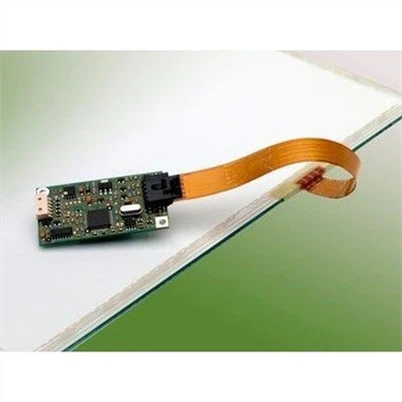
Innovations in in-cell touch technology integrate touch sensors directly into TFT layers, improving responsiveness while reducing thickness.
Industry Adoption & Market Growth
The global TFT display market is projected to reach $180 billion by 2028, driven by demand in:
Smartphones & Tablets (60% market share)
Automotive Displays (15-20% growth annually)
Medical & Industrial Equipment (high-brightness, sunlight-readable panels)
Leading manufacturers like Samsung Display, LG, BOE, and Sharp are investing billions in next-gen TFT fabs, particularly for microLED and QD-OLED hybrids, which promise longer lifespans and better color accuracy.
Challenges & Future Directions
Despite its dominance, TFT technology faces hurdles:
Manufacturing Complexity – Producing defect-free large panels remains costly.
Competition from MicroLED – While microLED offers superior brightness, TFT-backplated versions may bridge the gap.
Looking ahead, research focuses on:
✔ Transparent TFT Displays (for AR glasses and smart windows)
✔ Self-Healing Materials (to improve foldable screen longevity)
✔ AI-Optimized Panels (dynamic color/contrast adjustment based on content)
Conclusion
TFT displays remain the backbone of modern visual technology, continuously evolving to meet the needs of consumers and industries alike. As foldable phones, AR/VR devices, and automotive HUDs gain traction, TFT innovation will be crucial in shaping the next decade of digital interaction.