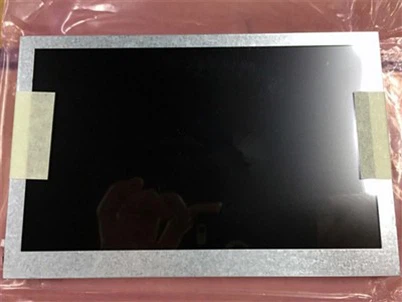
Stretched Bar Monitors: Pioneering New Frontiers in Visual Innovation
Aug 04, 2025
Leave a message
The landscape of visual display technology is undergoing a profound shift, and at the forefront of this transformation are stretched bar monitors. These cutting-edge devices, with their distinctive ultra-wide form factor, are no longer just a niche curiosity but are rapidly becoming a staple in a multitude of sectors, driving innovation and reimagining how we consume visual content.
Unlike conventional monitors that adhere to the standard 16:9 aspect ratio, stretched bar monitors push the boundaries with ratios that can reach as extreme as 32:9, offering an unparalleled horizontal expanse. This unique design isn't merely an aesthetic choice; it's a functional breakthrough that allows for seamless integration of multiple data streams, panoramic visualizations, and a level of immersion that was previously unattainable.
The healthcare industry is one of the latest to embrace the potential of stretched bar monitors. In busy hospitals and clinics, where timely access to critical information can be a matter of life and death, these monitors are proving to be invaluable. Mounted in nurses' stations and operating rooms, they can simultaneously display patient vital signs, medical records, and real-time imaging results. The extended width ensures that medical professionals can quickly compare data without having to switch between multiple screens, streamlining workflows and enhancing patient care. For instance, during a complex surgery, a stretched bar monitor can show the patient's heart rate, blood pressure, and a live feed from a laparoscopic camera all at once, allowing the surgical team to make more informed decisions.
Another sector where stretched bar monitors are making significant inroads is the gaming industry. While traditional monitors have long been the norm for gamers, the ultra-wide aspect ratio of stretched bar monitors offers a more immersive gaming experience. Gamers can see more of the game world on either side, giving them a competitive edge in multiplayer games and a more engrossing experience in single-player adventures. Some game developers are even designing games specifically with stretched bar monitors in mind, optimizing the graphics and gameplay to take full advantage of the extended screen real estate. Additionally, gaming cafes and esports arenas are increasingly adopting these monitors to attract customers, as they provide a unique and visually stunning gaming setup.
The architectural and design fields are also leveraging the capabilities of stretched bar monitors. Architects can use these monitors to display large-scale blueprints and 3D models of buildings, allowing them to examine every detail with ease. The wide screen makes it possible to view the entire structure at once while still being able to zoom in on specific areas for closer inspection. Interior designers, too, can benefit from stretched bar monitors by showcasing furniture layouts, color schemes, and material samples in a more comprehensive way. Clients can get a better sense of how a space will look once it's designed, leading to more satisfied customers and fewer revisions.
In terms of technological advancements, stretched bar monitors are now incorporating features such as high dynamic range (HDR) and improved color accuracy. HDR enhances the contrast between light and dark areas of the screen, making images more vibrant and lifelike. Improved color accuracy ensures that colors are displayed true to life, which is particularly important in industries such as photography, video editing, and graphic design. Some models also come with built-in speakers that deliver high-quality audio, eliminating the need for external speakers and creating a more streamlined setup.
The market for stretched bar monitors is not only growing but also becoming more diverse. Manufacturers are offering a wide range of sizes, resolutions, and features to cater to the specific needs of different industries and users. From small, portable monitors that are ideal for gamers on the go to large, wall-mounted displays that are perfect for retail stores and airports, there's a stretched bar monitor for every application. This diversity is driving competition among manufacturers, which is leading to lower prices and better quality products.
However, there are still some obstacles that need to be overcome. One of the main issues is the lack of standardization in content creation for stretched bar monitors. Many existing videos, images, and software are designed for traditional aspect ratios, which can result in distorted or letterboxed content when displayed on stretched bar monitors. This requires content creators to invest in new tools and techniques to adapt their work to the ultra-wide format, which can be time-consuming and costly. Additionally, the installation and setup of stretched bar monitors can be more complex than traditional monitors, especially for large-scale deployments. This requires specialized knowledge and skills, which may not be readily available in all organizations.
Despite these challenges, the future of stretched bar monitors looks incredibly promising. As more industries discover their benefits and content creators adapt to the new format, we can expect to see these monitors become even more prevalent in our daily lives. They have the potential to transform the way we work, play, and interact with the world around us, offering a level of visual innovation that is truly groundbreaking.
In summary, stretched bar monitors are not just a passing trend but a technological advancement that is here to stay. Their unique design and advanced features are enabling new possibilities in healthcare, gaming, architecture, and many other fields. As technology continues to evolve and the market becomes more mature, we can look forward to even more exciting developments in the world of stretched bar monitors.