Large Area LCD Display Market
Leave a message
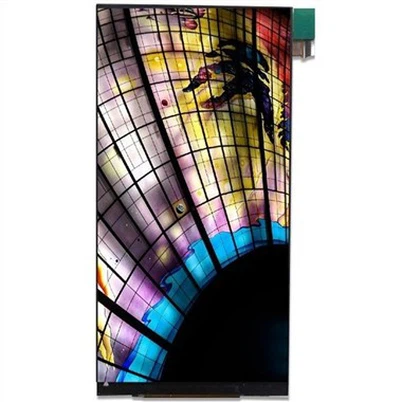
A large area LCD display is a type of display device that uses liquid crystal technology to create images on a screen.
LCD stands for liquid crystal display, which means that the screen is composed of millions of tiny pixels that can change their orientation and colour when an electric current is applied to them.
A large area LCD display has a diagonal size of 9 inches or more, which makes it suitable for various applications such as TVs, monitors, notebooks, tablets, and public displays.
A large area LCD display can offer high resolution, high contrast ratio, wide viewing angle, low power consumption, and thinand light design. However, a large area LCD display may also face some challenges such as backlight leakage, colour shift, response time, and cost
The pandemic has increased the demand for large area LCD displays for home entertainment, remote work, online education, and gaming purposes.
Many consumers have upgraded their TVs, monitors, notebooks, and tablets to enjoy better quality and performance during the lockdowns.
The pandemic has also accelerated the adoption of digital signage and public displays for information dissemination, health monitoring, and social distancing enforcement. The pandemic has boosted the demand for home entertainment devices such as TVs, sound bars, streaming devices, and gaming consoles.
These devices require large area LCD displays to provide immersive and interactive experiences for consumers.
The pandemic has also increased the demand for remote work devices such as monitors, notebooks, webcams, keyboards, and mice.
These devices require them to enable efficient and productive work from home.
LATEST TRENDS
"Shift from LCD to OLED Technology to Fuel the Growth in the Market"
The recent trend in the market is the shift from LCD to OLED technology.
OLED stands for organic light-emitting diode, which is a type of display that emits light from organic materials without requiring a backlight.
OLED displays offer many advantages over LCD displays such as higher contrast ratio, wider viewing angle, faster response time, thinner and lighter design, lower power consumption, and better colour accuracy.
OLED displays are especially suitable for applications that require high-quality images and videos such as TVs, smartphones, tablets, laptops, and wearable devices.
OLED displays are also gaining popularity in emerging applications such as foldable devices, transparent displays, and flexible displays