How capacitive touch screens work
Leave a message
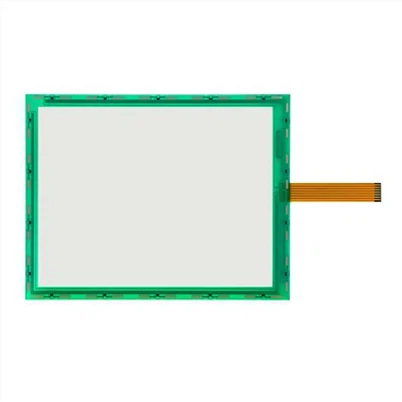
Capacitive touchscreens are a widely used technology in modern devices such as smartphones, tablets, and touch displays. It relies on the principle of capacitance to detect and respond to touch input. Let's take a closer look at how capacitive touchscreens work:
Capacitive Sensing
At the heart of a capacitive touchscreen is a transparent electrode layer composed of indium tin oxide (ITO) deposited on a glass panel. This electrode layer is divided into a grid of rows and columns, forming a matrix of capacitors at each intersection.
When the screen is idle, each capacitor in the grid has a certain amount of charge. This charge forms an electric field around the capacitive layer.
Capacitive Touchscreen
Capacitive Touchscreen
Touch Detection
When a conductive object, such as a finger, stylus, or capacitive stylus, touches the screen, it disrupts the electric field at that specific location. This disruption causes a change in the capacitance of the corresponding capacitor.
The touch creates a coupling effect between the object and the electrode layer, causing a noticeable drop in capacitance. The touchscreen controller detects this change and interprets it as a touch input.
Multi-touch Support
Capacitive touchscreens are able to support multiple touch points simultaneously, allowing multi-touch gestures such as pinch-to-zoom and two-finger scrolling. The controller independently detects and tracks the location of multiple touch inputs, providing a seamless and intuitive user experience.
Advantages of Capacitive Touchscreens
Capacitive touchscreens offer several advantages over other touch technologies:
High sensitivity: Capacitive touchscreens are highly sensitive to touch inputs, providing accurate and responsive interactions.
Enhanced durability: Because capacitive touchscreens rely on the electrical properties of conductive materials, they are more resistant to physical damage and wear than resistive touchscreens.
Excellent optical clarity: The use of transparent conductive materials such as ITO ensures that capacitive touchscreens maintain excellent optical clarity, resulting in vivid, clear display quality.
Support for gestures: Capacitive touchscreens support a variety of gestures and multi-touch interactions, allowing for intuitive navigation and user interaction.
Conclusion
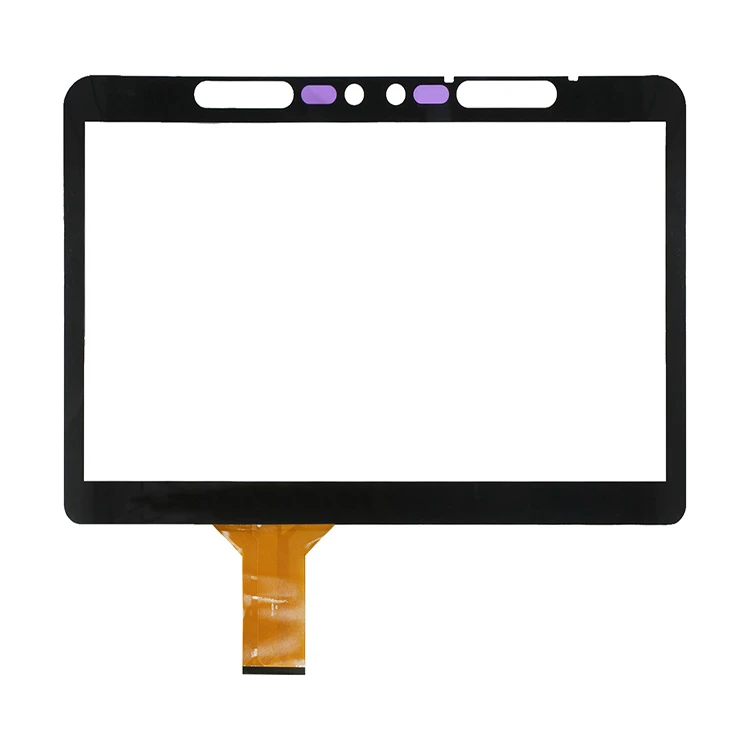
In summary, capacitive touchscreens operate by detecting changes in capacitance caused by touch inputs. The technology's high sensitivity, durability, and multi-touch support make it a popular choice for a wide range of electronic devices. By understanding the basic principles of capacitive sensing, manufacturers can design responsive and user-friendly touchscreens to enhance the overall user experience.