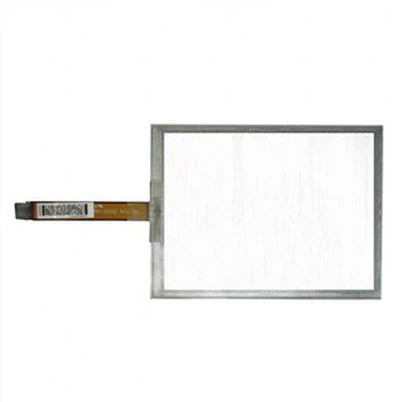
Applications of Touch Display Devices in Commercial Equipment and the Logic of Industry Development
Leave a message
As the core medium for human-machine interaction, touch displays have become deeply integrated into a wide array of commercial smart devices, emerging as indispensable foundational components within modern automated operational environments. As the level of intelligence in end-user devices continues to rise, the market is imposing increasingly rigorous standards regarding the operational stability, touch sensitivity, and environmental adaptability of display modules; consequently, the industry as a whole is steadily evolving toward greater durability, integration, and high-definition visual clarity.
From a structural and functional perspective, these devices primarily rely on the synergistic operation of a sensing layer and a display layer to transmit signals via physical contact, thereby providing rapid feedback to operational commands. Unlike consumer electronics, touchscreens designed for commercial environments prioritize the capability for prolonged, continuous operation. They must be capable of withstanding high-frequency touch interactions, temperature fluctuations, and complex operating conditions; as such, the manufacturing process incorporates enhanced treatments for pressure resistance, interference immunity, and abrasion resistance to extend the device's service life.
Material selection constitutes a critical stage in determining product quality. High-quality touch panels utilize highly transparent protective materials to minimize light reflection, thereby ensuring visual clarity across varying lighting conditions. Internal circuitry layouts undergo precise optimization to mitigate issues such as touch latency and positional drift, while simultaneously enhancing anti-static capabilities to prevent malfunctions-such as screen freezing or touch failure-caused by external electromagnetic interference. Furthermore, bonding processes are continuously being refined to ensure the tight integration of structural layers, thereby preventing the ingress of moisture and dust while bolstering sealing and protective performance.
In terms of application scenarios, commercial industrial control systems, self-service terminals, and entertainment equipment represent the primary fields of deployment. These environments typically demand uninterrupted device operation and impose stringent requirements regarding screen heat resistance, refresh rates, and touch precision. Most customized products feature dimensions and aspect ratios tailored to the specific installation space of the host device, accommodating various mounting configurations-such as embedded or external setups-to strike an optimal balance between aesthetic appeal and practical utility.
The current trajectory of industry development is clear and distinct: the market is gradually moving away from low-cost, low-durability, rudimentary products in favor of mature modules characterized by high quality and extensive compatibility. Downstream purchasers are placing increased emphasis on product consistency, supply chain stability, and the convenience of after-sales maintenance; this trend is driving manufacturers to optimize quality control protocols and standardize production benchmarks. Looking ahead, as smart devices become increasingly ubiquitous, touch display components will continue to evolve-optimizing power consumption, display quality, and user touch experience-to meet the diverse demands of the commercial market and provide stable, reliable interactive support for a wide spectrum of smart terminal devices.