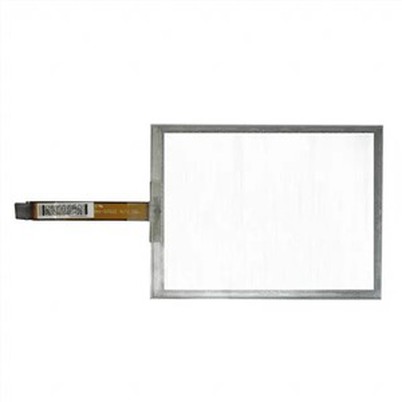
An Overview of LCD Screen Technology
Leave a message
Liquid crystal screens have become an integral part of modern life, powering everything from handheld devices to large-format displays. Unlike traditional cathode ray tube monitors, these flat-panel solutions offer slim profiles, energy efficiency, and consistent image quality, making them the preferred choice for most consumer and commercial applications.
The core principle behind this display technology revolves around light management. A backlight emits light that passes through layers of specialized materials, which control how light is filtered and aligned to form images. These layers work together to adjust the brightness of individual pixels, creating the full spectrum of colors and shades we see on the screen. Unlike self-illuminating display types, this technology relies on external light sources, which contributes to its lower power consumption when compared to other options.
One of the key strengths of these screens is their versatility in size and form factor. They can be crafted into tiny panels for smartwatches and smartphones, or scaled up to large units for digital signage, televisions, and conference room displays. This flexibility makes them suitable for a wide range of industries, including consumer electronics, retail, healthcare, and automotive. In healthcare settings, for example, they are used in medical monitors to show clear, reliable images for diagnostics, while in retail, they serve as digital signs to engage customers with dynamic content.
Another advantage is their cost-effectiveness, especially for mass production. As a mature technology, manufacturing processes have been refined over decades, reducing production costs while improving reliability. This affordability has made high-quality displays accessible to more devices, from budget smartphones to entry-level televisions. Additionally, these screens produce minimal heat, which extends their lifespan and makes them safer for use in enclosed spaces, such as car dashboards or small electronic devices.
While newer display technologies have emerged in recent years, liquid crystal screens remain relevant due to their balanced performance. They deliver sharp images with accurate color reproduction, making them ideal for tasks that require clarity, such as office work, video streaming, and gaming. Manufacturers continue to innovate, enhancing their energy efficiency and reducing their thickness to meet the growing demand for lighter, more portable devices.
In commercial applications, these displays are valued for their durability and ease of integration. They can operate for long hours without significant degradation, making them suitable for 24/7 digital signage in malls, airports, and hotels. Their compatibility with various control systems also allows businesses to customize content and manage multiple screens efficiently.
As technology evolves, liquid crystal screens continue to adapt. They now offer higher resolution and faster response times, addressing previous limitations and competing effectively with newer alternatives. Their widespread adoption and ongoing innovation ensure that they will remain a key player in the display industry for years to come, bridging the gap between functionality, affordability, and user experience.